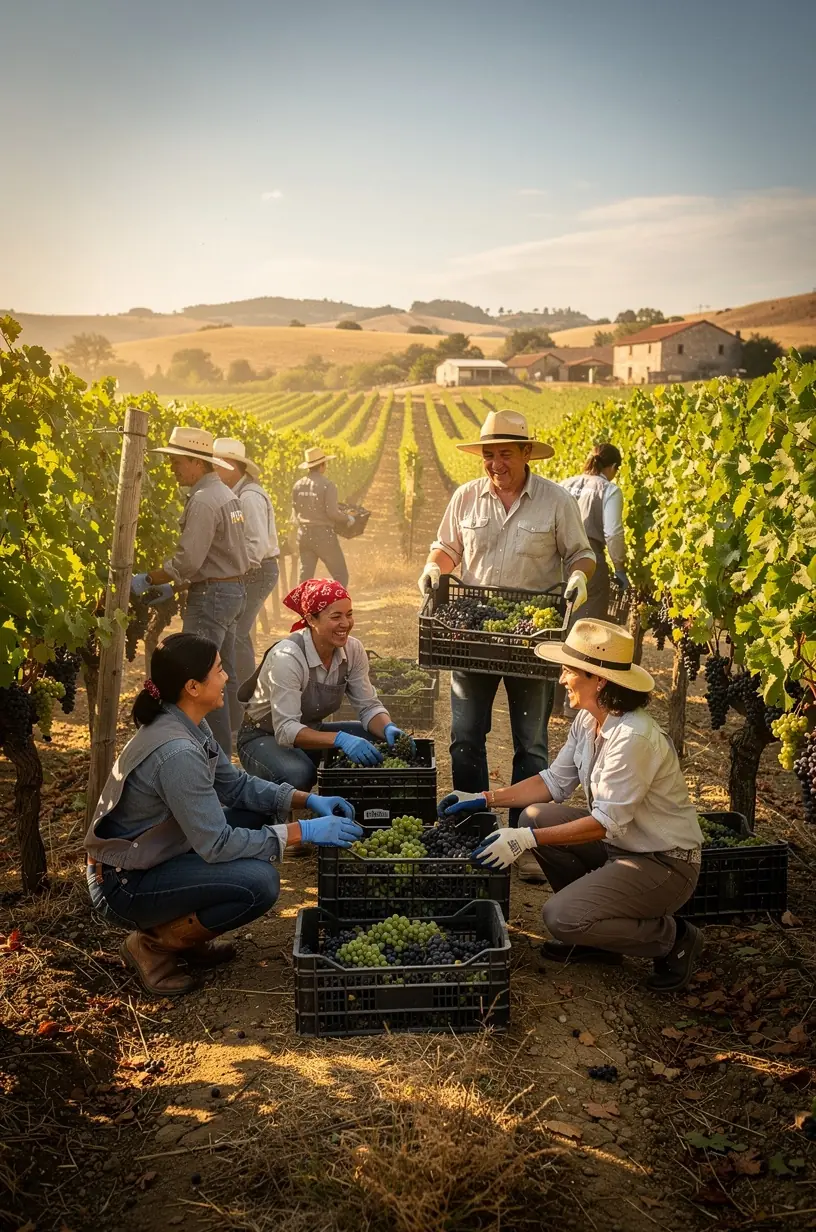
How Volunteer Programs Strengthen Community Bonds
Volunteer programs are vital for fostering deeper connections within communities. By participating in local initiatives, residents can not only contribute to meaningful causes but also enhance their relationships with fellow community members.
Understanding the Role of Volunteerism
Volunteerism refers to the act of offering time and services for the benefit of others, typically without financial compensation. This practice is essential in building stronger community ties. According to research from the Corporation for National and Community Service, communities with active volunteer programs often report higher levels of trust and cooperation among residents.

"Volunteerism contributes to a culture of mutual support and shared goals within communities, enhancing overall social cohesion."
The Benefits of Volunteer Programs
There are several ways in which volunteer programs can strengthen community bonds:
- Fostering Relationships: Many users report that volunteering alongside others helps build friendships and increase social networks. In many cases, these connections extend beyond the volunteer setting, promoting a sense of belonging.
- Enhancing Skills: Participating in volunteer programs allows individuals to develop new skills, which can enhance their confidence. This personal growth often leads to a greater willingness to engage with the community. According to industry experts, skill development in volunteer settings can lead to increased community participation.
- Creating a Sense of Purpose: Engaging in volunteer work gives individuals a reason to connect with their communities. Research indicates that when people feel they are contributing to something larger than themselves, they experience greater life satisfaction and mental well-being.
Challenges and Considerations
While the benefits of volunteer programs are significant, there are also challenges to consider:
- Time Commitment: Volunteering typically requires a commitment of time and energy. Programs can often demand anywhere from a few hours a week to several days a month, which may not be feasible for everyone.
- Learning Curve: Many individuals may feel apprehensive about joining volunteer initiatives due to a perceived lack of skills or knowledge. It’s important to remember that most organizations offer training and support, which can help ease this transition.
- Variable Impact: The effectiveness of volunteer programs can vary widely based on the organization and community needs. Programs that are well-structured typically yield better results in community engagement.
Conclusion
In summary, volunteer programs play a crucial role in strengthening community bonds by fostering relationships, enhancing skills, and creating a sense of purpose. However, potential volunteers should be aware of the time commitments and challenges associated with these programs. Engaging in volunteerism is not only a way to give back but also an effective approach to building a resilient and connected community. By understanding these dynamics, residents in Canada can better appreciate the value of community service and its lasting impact.