Exploring Local Indigenous Cultures in California
California is home to a rich tapestry of Indigenous cultures, each with unique histories, languages, and traditions. Understanding these cultures is not only essential for appreciating the diversity of the state but also for acknowledging their contributions and ongoing struggles. This article delves into the significance of these cultures, highlighting key aspects that provide insights into their way of life and community values.
Understanding Indigenous Cultures in California
California is home to over 100 distinct Indigenous tribes, each with its own language and cultural practices. According to the California Native American Heritage Commission, these tribes have lived in the region for thousands of years, developing profound connections to the land. The diversity among tribes means that traditions can vary significantly, reflecting their unique environments. For instance, coastal tribes often relied on fishing and sea resources, while those in the inland areas may have focused on agriculture and foraging.
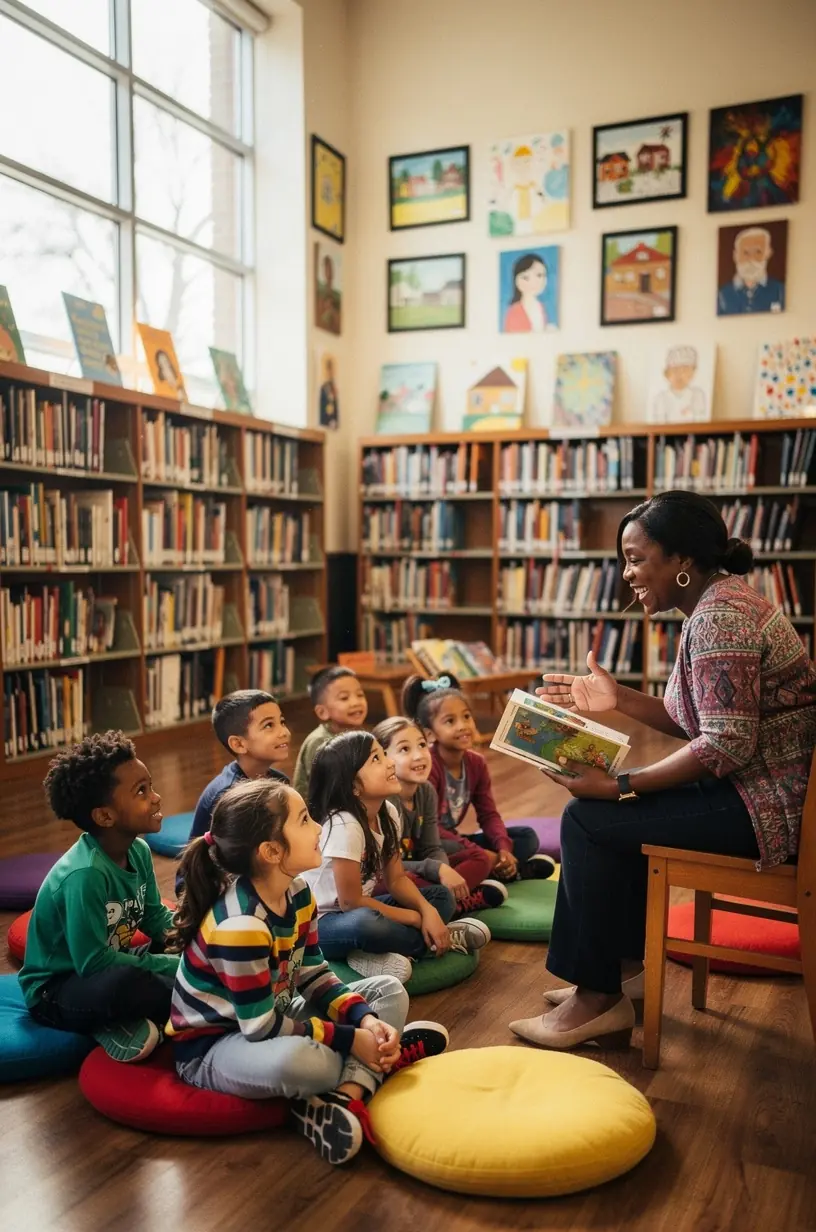
"Indigenous cultures in California offer a deep understanding of sustainability and community resilience, which is increasingly relevant today." - Dr. Sarah Thompson, Cultural Anthropologist
The Impact of Colonization
Understanding Indigenous cultures requires acknowledging the impact of colonization. Many tribes faced severe disruptions due to European settlement, resulting in loss of land, language, and cultural practices. Research indicates that this colonization often led to generational trauma, which affects many Indigenous communities today. It is essential to approach the topic with sensitivity, recognizing that healing processes are ongoing and that many tribes are actively working to revitalize their cultures.
Language Revitalization Efforts
Language is a vital aspect of cultural identity. Many Indigenous tribes in California are engaged in revitalization efforts for their languages. According to studies conducted by the California State University System, language preservation can significantly enhance cultural pride and community cohesion. For example, programs that teach traditional languages in schools help younger generations reconnect with their heritage.
Community Practices and Beliefs
- Traditional Ecological Knowledge: Many Indigenous tribes possess extensive knowledge of local ecosystems, which can inform sustainable practices. This knowledge is often shared through storytelling and community gatherings.
- Art and Craftsmanship: Art holds significant cultural value, with practices such as basket weaving and beadwork reflecting historical narratives and community identity. Experts suggest that engaging with these art forms can foster greater appreciation for Indigenous cultures.
- Spiritual Beliefs: Spirituality plays a critical role in community life, often intertwined with nature and environmental stewardship. Understanding these beliefs can provide insights into broader Indigenous worldviews.
Engaging with Indigenous Cultures
Engaging with Indigenous cultures respectfully involves understanding cultural protocols and seeking permission when necessary. Experts recommend visiting cultural centers or participating in events that are organized by Indigenous communities, as these experiences can provide authentic insights into their traditions and worldviews. Remember, supporting Indigenous businesses and artists contributes to the preservation of their cultures.
Conclusion
Exploring local Indigenous cultures in California offers valuable lessons about resilience, sustainability, and community. By educating ourselves and engaging respectfully, we can contribute to the ongoing efforts to preserve these rich cultures. As we move forward, it is crucial to approach these topics with an open heart and mind, ready to learn from the wisdom of Indigenous peoples.
Discover More